With the Melbourne Spring starting to really settle in, we’ve had some lovely warm weather. And with it have come bulldogs struggling to breathe—and even a snakebite.
I adore the warm weather, but at temperatures as low as 24°C, it can be deceptively dangerous for our pets, particularly bulldogs and our senior dogs. Dog heatstroke can happen fast, even when the day doesn’t feel that hot.
Dog Heatstroke: Why Bulldogs and Flat-Faced Breeds Struggle
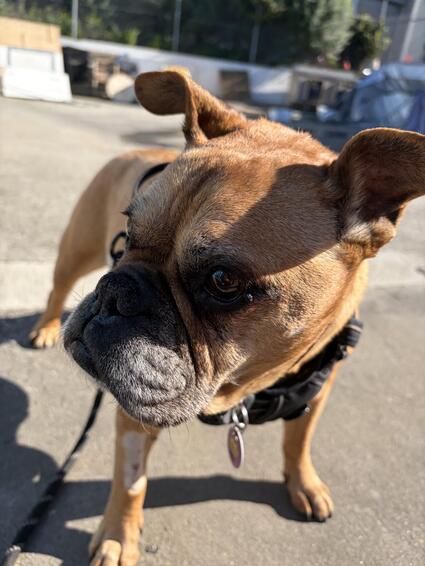
Did you know that researchers attribute our love of these breeds to their large eyes and doll-like faces? They claim these features are reminiscent of human children, and we just can’t resist.
But those iconic traits come with a serious anatomical trade-off. Dogs do not sweat through their skin the way we do; they rely almost entirely on panting to cool themselves down.
For breeds affected by Brachycephalic Obstructive Airway Syndrome (BOAS), panting is far less efficient. When a bulldog gets hot and pants heavily, their restricted airways become inflamed and swollen.
This swelling makes breathing even harder, which increases panic and body temperature even faster. It creates a dangerous snowball effect. What feels like a pleasant afternoon walk to us can escalate into a life-threatening crisis for them within minutes.
Why Senior Dogs Need Extra Care
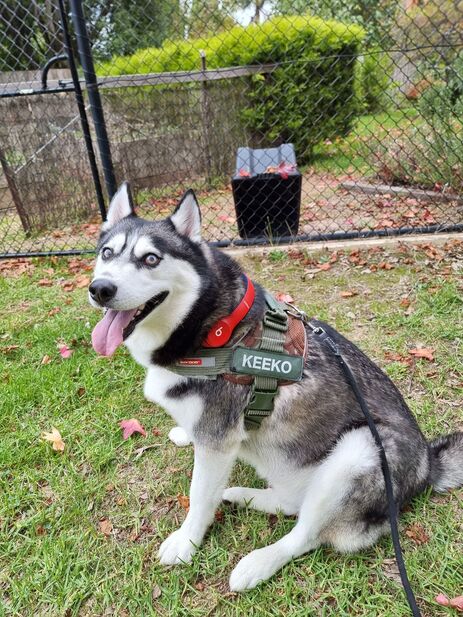
Our senior companions face a different kind of warm-weather challenge. As dogs age, their bodies can find it harder to regulate their temperature.
- Underlying health conditions: Heart issues, lung changes, or circulatory problems can reduce their ability to handle heat spikes.
- Heavy fur coats: Bearing high temperatures while trapped in a thick coat can quickly overwhelm an aging system.
Essential Summer Safety Tips for Pet Parents
Keeping your vulnerable dog safe this season does not mean they have to sit out on all the fun. A few proactive adjustments can make all the difference:
- Shift walk times: Exercise your dog strictly during the cool early morning hours.
- Pre-cool the car: Turn on the air conditioning before travelling with your dog in the car so they never enter a warm cabin.
- Air-conditioning, not fans. Fans rely on blowing air over our skin and allowing our sweat to evaporate. With the inability to sweat, fans just don’t cut the mustard. These breeds need to be indoors, in an air-conditioned environment.
- Hydration everywhere: Keep fresh water accessible in multiple locations around the house and garden.
Emergency vs. Routine: Spotting the Warning Signs
Knowing when your pet is simply warm versus when they are entering a heat crisis can save their life.
Routine Warmth (Monitor at Home):
If your pet is panting moderately after brief play, seeking out cool tiles, or drinking extra water, bring them into an air-conditioned room, offer cool water, and let them rest - but watch closely.
Heat Emergency (Act Instantly):
If you notice any of the following signs, they may be in danger:
- Loud, distressing, or raspy breathing.
- Excessive, thick drooling.
- Dark red, purple, or pale gums.
- Glazed eyes, confusion, or weakness.
- Sudden vomiting or collapse.
- Failure to recover from exercise - continued panting, restlessness.
What to do in an emergency
Do not wait. Cool your dog down immediately with lukewarm (never ice-cold) water on their paws, underarms, and belly; turn the air conditioner on full in your car; and drive straight to your nearest emergency vet.
The Australian summer is simply no place for a bulldog breed to be left battling the heat; we need to do our best to keep them safe.
If you are ever unsure about your bulldog's breathing or want to discuss BOAS assessment and treatment, or a tailored low-impact plan for your senior dog, come and see us at Vetland Hospital & Emergency.
Let us work together to keep your best friend cool, comfortable, and breathing easy all season long.




 VetLand Hospital & Emergency
 VetLand Hospital & Emergency: Oct 20, 2026, 3:22:50 PM